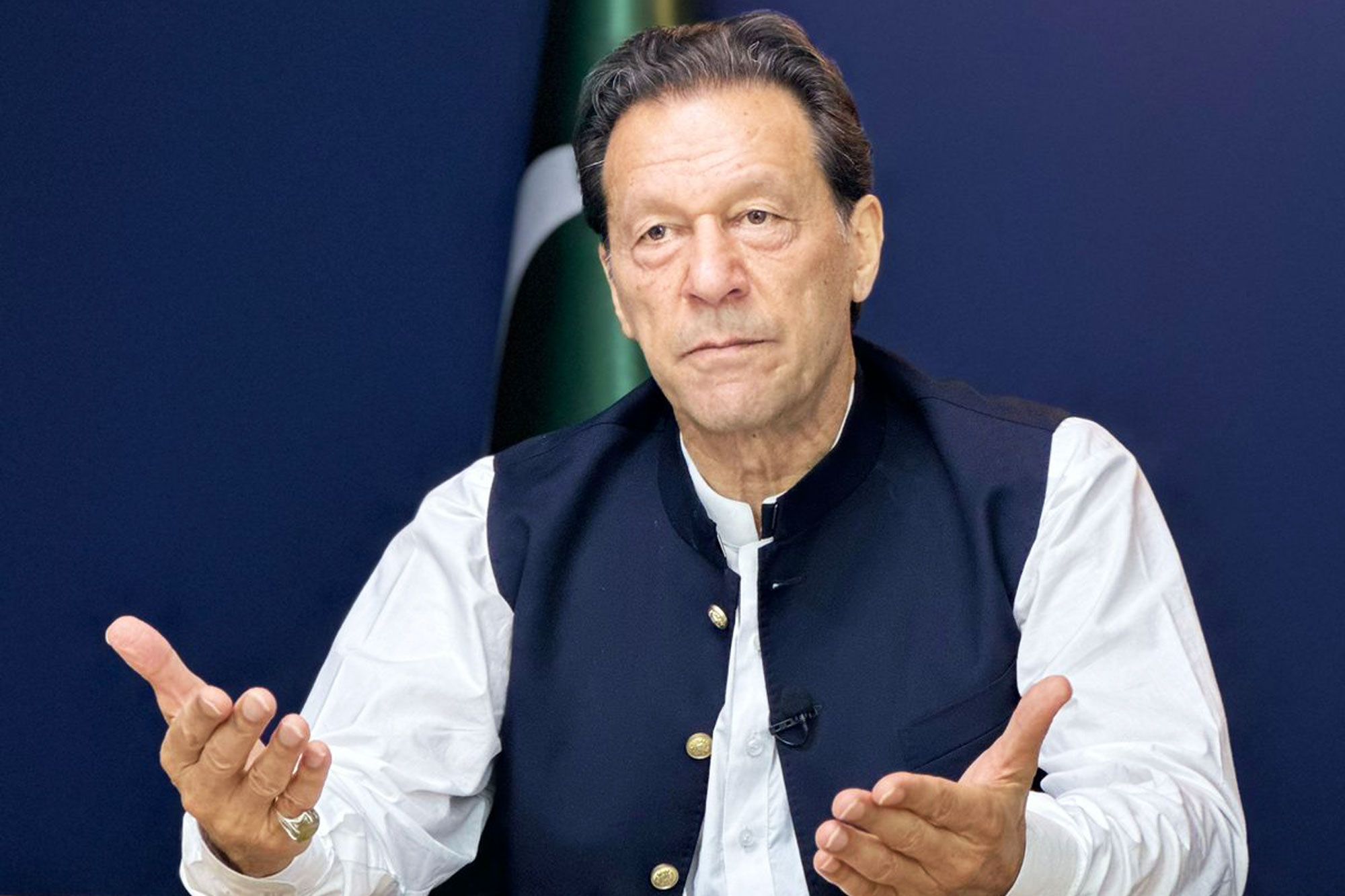
Understanding Family Dynamics
The religious upbringing of political leaders' children often becomes a topic of public scrutiny in Pakistan. Imran Khan's two sons, Suleman and Qasim, have been subject to such attention due to their unique family situation.
The Family Background
Imran Khan married Jemima Goldsmith in 1995. Their marriage represented a union between different cultural backgrounds:
- Jemima came from a prominent British family
- She converted to Islam before the marriage
- The couple had two sons during their nine-year marriage
- They divorced in 2004, with children remaining primarily in the UK
Religious Identity in Mixed Heritage
Children from cross-cultural marriages often navigate multiple identity layers. In the case of Suleman and Qasim Khan:
- Both were given traditional Islamic names
- Their father has maintained they were raised with Islamic values
- They grew up in Britain, exposed to multicultural environment
- Their mother's conversion to Islam was genuine and documented
Political Weaponization of Faith
In Pakistani politics, religious credentials are often questioned for political gain. This tactic particularly targets leaders who:
- Have international family connections
- Were educated abroad
- Maintain Western lifestyle elements
- Challenge established religious political parties
What Public Records Show
Available public information indicates:
- No evidence contradicts claims about Islamic upbringing
- Both sons maintain private lives away from politics
- Imran Khan has consistently affirmed their Muslim identity
- Jemima has spoken about respecting Islamic values during marriage
Privacy vs Public Interest
Children of political figures deserve privacy regarding personal beliefs. The constant scrutiny raises questions about:
- Where to draw lines between public and private life
- Whether family members should be political targets
- How religious identity should factor into political evaluation
Broader Implications
This case reflects larger challenges in Pakistani political culture:
- Religion used as a political weapon rather than personal matter
- Difficulty separating policy critique from personal attacks
- Questions about who qualifies as "authentic" Muslim leader
- Impact on attracting diverse talent into politics